


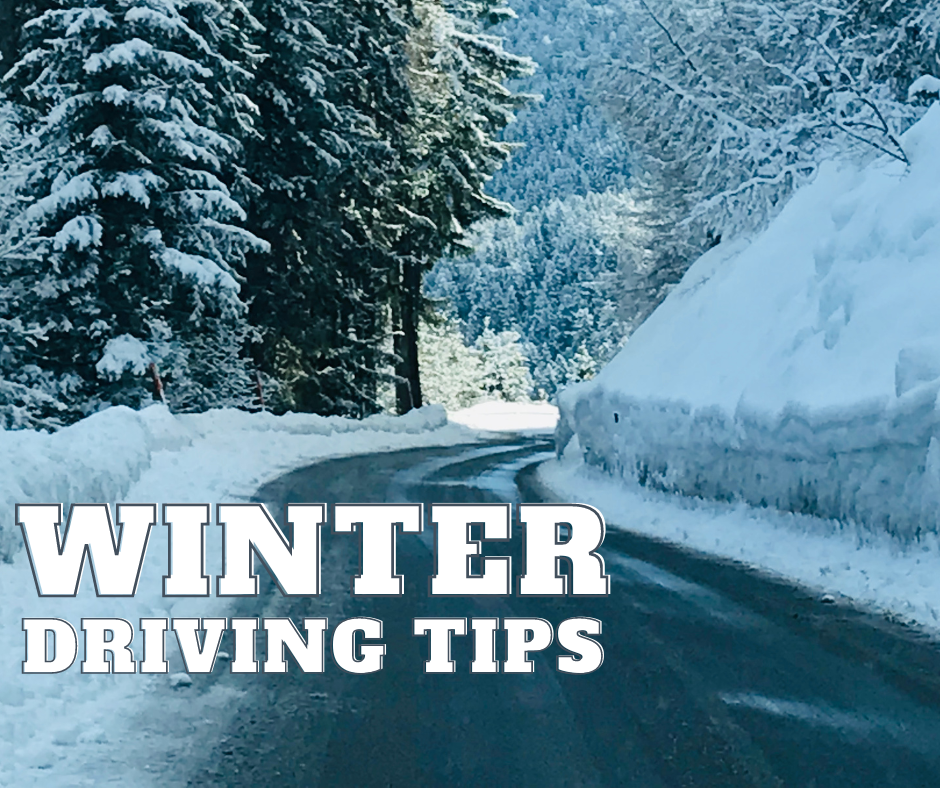
For many travelers, the first flutter of snowflakes is a call for excitement—an invitation to the slopes and the beginning of the ski season. However, with the charm of winter comes a serious conundrum: how to travel safely to your snowy destination. Winter driving, characterized by icy, slushy, and often unpredictable roads, requires a different set of skills than motoring in the summer months.
So, before you rev your engine and head toward the peaks of Beech Mountain, NC, and Sugar Mountain, NC, read on for some expert tips to ensure your journey is as safe as it is enjoyable.
Adjusting to the Road Conditions
Winter driving demands a shift in mindset. Roads that are dry and clear one day can become a skating rink the next. Adapting to conditions means driving slower than usual and taking extra care when making any maneuvers.
• Reduced Speed: Slow down when it’s cold, especially when the temperature is close to freezing. Black ice—an almost invisible glaze that forms on cold pavement—can turn the most familiar road into a treacherous path.
• Traction is the Key: Understand that tires have less traction in the cold. This means turning, accelerating, and braking all take longer than you might expect.
• Use Traction Devices: If snow is forecast, ensure your car is equipped with snow chains or snow tires for better handling and control.
Maintaining a Safe Distance
The "two-second rule" in normal weather conditions (staying two seconds behind the car in front) should be modified in the winter. You’ll need more space to stop safely.
• The Four-Second Rule: Increase your following distance in inclement weather to at least four seconds. To check, count the seconds it takes for the vehicle ahead to pass a fixed object and make sure you don’t pass it before reaching four.
• Watch Other Vehicles: Be aware of other drivers, as not everyone may be as cautious or have as much experience driving in winter conditions.
Accelerating and Braking Smoothly
Noticing a trend? Smooth, gentle movements are the name of the game in winter driving.
• Gentle Acceleration: Apply the gas gently to get more grip and avoid skidding. If you have a manual transmission, start in second gear to reduce wheel spin.
• Anticipate Stops: Brake early and gently to avoid skidding. If your car has ABS (anti-lock braking system), press the pedal hard and hold it—don’t pump the brakes in case of a skid.
Dealing with Ice and Snow
Ice and snow are the most significant challenges in winter driving. Preparing for and knowing how to handle these conditions can make all the difference.
• Clear Ice and Snow: Before driving, clear all windows, lights, and the roof of your vehicle. This ensures you can see and aren’t at risk of causing an accident by shedding snow onto other vehicles.
• Driving on Ice: If you hit a patch of ice, don’t panic. Keep the steering wheel straight and let the car pass over the ice. Any sudden changes in direction can lead to loss of control.
• Getting Unstuck: If you get stuck, straighten the wheels and accelerate slowly. Use the least amount of gas that you can manage, and try rocking the car gently by shifting from drive to reverse.
Handling Skids and Slides
Even with all the precautions, skidding may still occur. It’s essential to know how to react.
• Front-Wheel Skids: If the front of your car starts to skid, take your foot off the gas and steer into the direction of the skid until the car straightens out.
• Rear-Wheel Skids: If the rear of your car skids, steer in the direction you want the front of the car to go, and don’t overcorrect.
• Four-Wheel Skids: For vehicles that skid on all four wheels, gently ease off the accelerator and steer into the skid until your vehicle slows and you regain traction.
Tips for Driving in Low Visibility
Snowstorms can drastically reduce visibility.
• Use Headlights: Turn on your headlights to increase your visibility to other vehicles.
• Fog Lights: When it’s extremely foggy, use your front and rear fog lights if you have them.
• Maintain Extra Caution: If you can’t see, don’t drive! Find a safe place to park until conditions improve.
Final Thoughts
Safe winter driving can be boiled down to one word: preparation. Make sure your vehicle is ready for the winter roads and take time to adjust to the slower rhythm of winter travel.
Before you make the trip to the picturesque Beech Mountain or Sugar Mountain, NC, ensure you’ve checked everything off the list: your car is equipped, your driving skills are sharpened, and you’re aware of the potential hazards.
Remember, the mountain will always be there. Take your time, take it easy, and especially, take the advice of these winter driving tips to heart. Your safety—and the safety of others on the road—depends on it.
So, start planning that winter adventure and hit the roads with confidence, because you know how to tackle the snow and ice like a pro!
Stay safe, and happy skiing!
:format(webp):quality(80)/u.realgeeks.media/jongatewood/RateMyAgent_Email_Signature.png)

:format(webp):quality(80)/u.realgeeks.media/jongatewood/Featured_Properties.png)